How Much Will I Get for My Car? What Determines Its Value
Selling a car often starts with one simple question: how much will I get for my car? The answer depends on several factors, including the vehicle's make and model, age, kilometres, condition, service history, registration status, damage and current market demand.
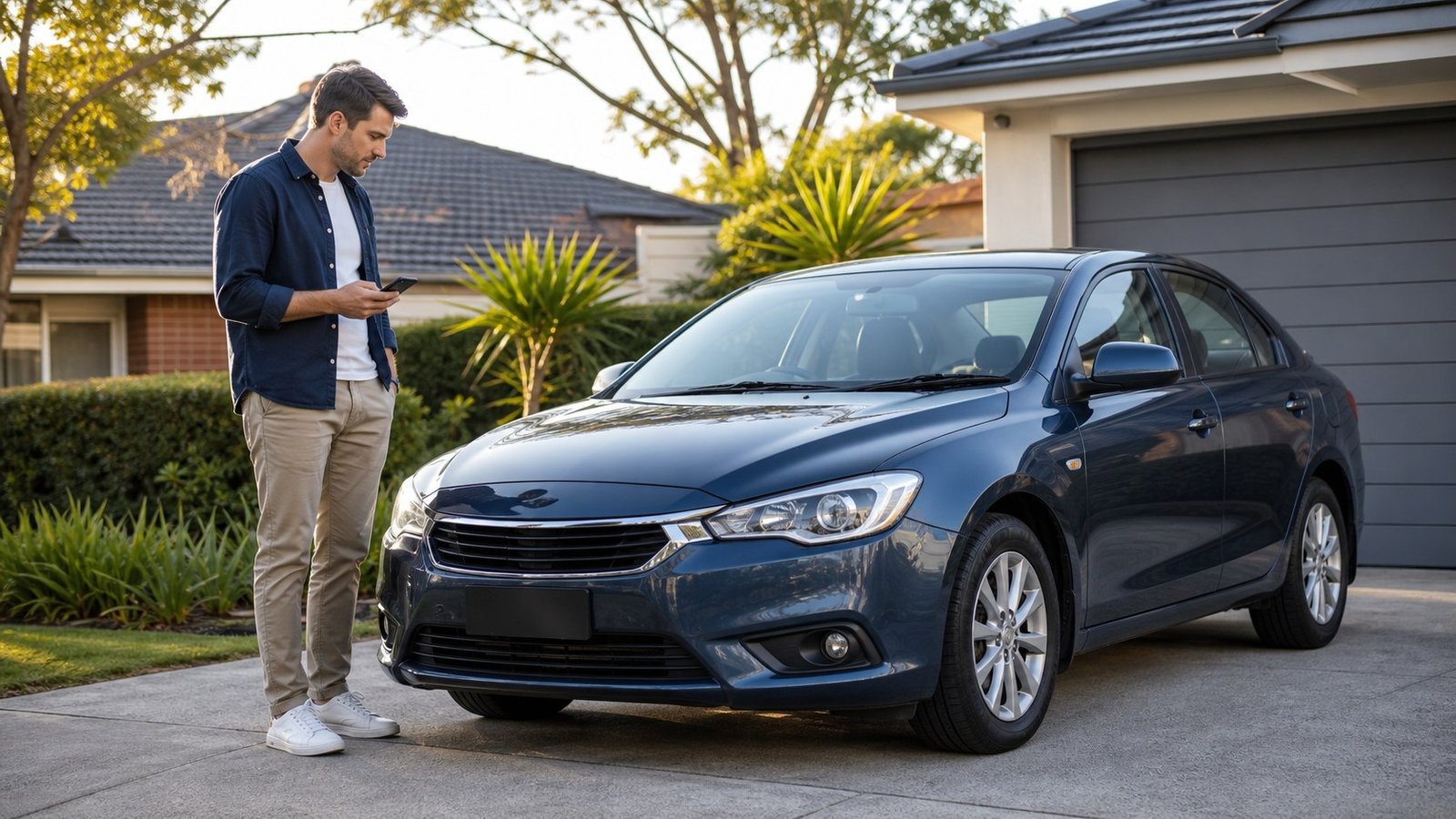
There is no fixed amount that applies to every vehicle. A well-maintained car in strong demand may attract a different offer from an older, damaged, broken or unregistered vehicle. The way you choose to sell can also affect the final amount you receive.
Understanding what influences your car's value can help you set realistic expectations, compare your options and decide whether selling, trading in or repairing the vehicle makes the most sense.
How Much Will I Get for My Car?
The amount you can get for your car depends on its individual characteristics and the current market. Factors such as the make, model, year, kilometres, condition and registration can all influence what a buyer is prepared to offer.
Vehicle age can also affect how much a car is worth. BITRE reported that the average age of registered passenger vehicles in Australia was 11.33 years in January 2025, up from 11.18 years the previous year. You can refer to the BITRE Road Vehicles, Australia report for the full statistics.
It is also important to understand that estimated market value, advertised price and actual selling price are not necessarily the same. A car may be advertised for a particular amount, but the final price can change after an inspection, negotiation or consideration of repairs and other costs.
What Can Affect the Amount You Receive?
The main factors include:
- Make, model and year
- Kilometres travelled
- Mechanical and cosmetic condition
- Service and maintenance history
- Accident or damage history
- Registration status
- Current market demand
- Selling method
A Quick Guide to the Main Value Factors
| Factor | Why it matters |
|---|---|
| Make and model | Popular and in-demand vehicles may attract stronger buyer interest |
| Age | Older vehicles generally experience more depreciation |
| Kilometres | Higher usage can affect buyer expectations and future maintenance |
| Condition | Mechanical, interior and exterior condition can influence the offer |
| Damage | Repairs and the severity of damage can reduce resale appeal |
| Registration | Registration can affect convenience and road-use requirements |
| Market demand | Current demand can influence what buyers are willing to pay |
What Information Do You Need to Estimate Your Car's Value?
Before trying to work out how much your car is worth, gather as much accurate information about the vehicle as possible.
Useful details include:
- Make, model and variant
- Year of manufacture
- Current odometer reading
- Registration status
- Overall condition
- Known mechanical problems
- Accident or damage history
- Service and maintenance records
- Tyre and brake condition
- Location of the vehicle
Having this information available makes it easier to compare similar vehicles and discuss your car with potential buyers.
If your vehicle has significant damage or is no longer running, it is also important to describe its condition accurately rather than comparing it with similar cars in good working order.
What Factors Affect Your Car's Value?
Make, Model and Age
The make, model and age of a vehicle are among the first factors buyers consider. Popular models with strong demand, a good reputation and readily available parts may retain their appeal better than vehicles with limited demand.
Age is also important because vehicles generally depreciate over time. However, age alone does not determine value. A well-maintained older vehicle can still be desirable, while a newer car with significant mechanical or accident damage may attract a lower offer.
Mileage and Overall Condition
The number of kilometres on the odometer provides an indication of how much the vehicle has been used. Lower mileage can be attractive to buyers, but it should always be considered alongside the car's age, maintenance and condition.
Buyers may assess:
- Engine and transmission condition
- Brakes and tyres
- Interior condition
- Paint and bodywork
- Warning lights
- Mechanical faults
- Signs of neglect or poor maintenance
A higher-kilometre vehicle with a good maintenance history may still be worth considering, while a low-kilometre vehicle with major faults may be worth considerably less.
Service and Maintenance History
A documented service history can give buyers greater confidence that the vehicle has been properly maintained.
Keep any relevant service books, receipts, repair invoices and maintenance records available when selling. These documents can help demonstrate how the vehicle has been cared for and give potential buyers a clearer picture of its history.
Accident or Damage History
Previous accident damage can affect the amount someone is willing to pay, particularly where repairs have affected the vehicle's structure, mechanical systems or appearance.
The extent of the damage matters. Minor cosmetic damage is very different from major structural or mechanical problems.
If your vehicle has substantial damage, Damaged Car Removal may be an option worth considering, particularly if the cost of repairs is approaching or exceeding the vehicle's likely value.
Registration Status
Registration can influence the selling process and the vehicle's appeal to buyers. A registered vehicle may be easier for some buyers to purchase and use, while an unregistered vehicle may require additional arrangements before it can legally be driven on public roads.
An unregistered car is not automatically worthless. Its value can still depend on its make, model, condition, damage, mechanical state and potential parts value.
If you are looking at options for an unregistered vehicle, Cash For Unregistered Cars Sydney is one service option to consider.
Current Market Demand
Market conditions can change the amount buyers are prepared to pay. Demand for particular makes, models and vehicle types can vary depending on availability, running costs, fuel preferences and broader buyer trends.
This means two vehicles with similar specifications may not necessarily receive the same offer.
How Much Is a Damaged or Broken Car Worth?
A damaged or broken car can still have value, even when it is no longer suitable for normal road use.
The amount depends on factors such as the type and severity of the damage, vehicle make and model, age, condition of its components and potential for parts recovery or recycling.
A non-running vehicle may still contain usable components such as:
- Engine or transmission components
- Body panels
- Wheels and tyres
- Electrical components
- Interior parts
- Recyclable metals
There is no universal "scrap value" for every damaged car. The vehicle needs to be considered on its individual circumstances.
If major repairs are required, compare the estimated repair cost with the potential value of the vehicle after repairs. In some cases, selling the vehicle in its current condition can be a more practical option.
Does Being Unregistered Affect How Much You Can Get?
Being unregistered can affect how attractive a vehicle is to some buyers, but it does not automatically mean the car has little or no value.
Before selling an unregistered car, consider:
- Why it is unregistered
- Its mechanical condition
- Its body and interior condition
- Whether repairs are required
- Registration and roadworthiness requirements
- How the vehicle will be transported
- Its potential value for parts or recycling
For some owners, selling an unregistered vehicle through a suitable car-buying or removal service can be more convenient than spending money on repairs and registration first.
How Does the Way You Sell Your Car Affect Its Value?
The selling method can affect both the amount you receive and the time and effort involved.
Selling Privately
A private sale may allow you to negotiate directly with buyers and potentially achieve a competitive price.
However, you will usually need to:
- Advertise the vehicle
- Answer enquiries
- Arrange inspections
- Organise test drives where appropriate
- Negotiate the price
- Complete the necessary paperwork
It can also take longer to find a suitable buyer, particularly if your vehicle has high kilometres, significant damage or mechanical problems.
Trading In or Selling to a Dealer
Trading in a vehicle can be convenient if you are purchasing another car. The dealer assesses your existing vehicle and provides a trade-in figure.
The convenience can be valuable, although the offer may reflect the dealer's preparation costs, operating expenses and expected resale margin.
Selling to a Cash Car Buyer
A cash car-buying service can provide another option for owners who prioritise convenience and a straightforward selling process.
This can be particularly useful when a vehicle is old, unwanted, damaged, broken or unregistered.
For Sydney sellers, Sydney Cash for Cars is one option to compare with a private sale or dealer trade-in.
How Can You Get the Best Possible Price for Your Car?
There is no guaranteed way to get the highest possible amount, but you can take practical steps to make a more informed selling decision.
Research Comparable Vehicles
Look at similar cars currently being advertised. Compare the same make, model, variant and year while considering kilometres and condition.
Remember that advertised prices are asking prices, not necessarily the amounts sellers ultimately receive.
Be Honest About the Condition
Be upfront about known faults, accident damage, mechanical problems and registration status. Accurate information helps you compare realistic offers and reduces the risk of unexpected issues during the selling process.
Gather Your Documents
Keep relevant ownership, service and maintenance documents together. Having these ready can make the selling process easier and provide useful information about the vehicle's history.
Compare Offers
Don't automatically accept the first figure you receive. Compare offers based on both the amount offered and what is included.
For example, if one option includes vehicle collection while another requires you to arrange transport yourself, the headline price may not tell the whole story.
Think Carefully Before Paying for Repairs
A repair does not always add the same amount to a vehicle's selling value as you spend on it.
If your car requires major mechanical work, calculate the expected repair cost and compare it with the potential increase in selling value. For an older or heavily damaged vehicle, selling it in its current condition may be more practical.
Is Your Car Worth More Than Its Resale Value?
A vehicle's value is not always limited to what it could achieve in a traditional private sale.
An older, damaged or non-running vehicle may still have value through its components and recyclable materials. Depending on its condition, usable parts may be recovered, while metals and other materials can be processed for recycling.
This is why a car that is difficult to sell privately may still have financial value.
It is useful to distinguish between resale value and recoverable value. A vehicle does not necessarily need to be roadworthy or in excellent condition to have value.
When Should You Sell Your Car Instead of Repairing It?
Repairing a vehicle can make sense when the cost is reasonable compared with its expected value. However, continuing to spend money on an old or damaged car may not always be financially sensible.
Consider selling instead of repairing when:
- Major mechanical repairs are required
- The vehicle has suffered significant accident damage
- The same faults keep returning
- Repair costs are approaching the vehicle's overall value
- The car has become unreliable
- You no longer need the vehicle
Before making a decision, obtain a realistic repair estimate and compare the expected cost with what the vehicle could reasonably be worth after the repairs.
Selling Your Car in Sydney? What Should You Consider?
If you're selling a vehicle in Sydney, the right option depends on your car and your priorities.
Consider:
- Your vehicle's current condition
- Whether it is registered
- Whether it is running
- How quickly you want to sell
- Whether you need the vehicle collected
- What different buyers are offering
- Whether repairing the vehicle is financially worthwhile
If you have an unwanted vehicle and prefer not to deal with private advertising, inspections and negotiations, Atlantic Car Removals can provide a convenient car removal option in Sydney.
The important thing is to understand your vehicle's condition, compare realistic offers and choose the selling method that suits your circumstances.
Frequently Asked Questions
How much will I get for my car?
The amount you can get depends on your car's make, model, age, kilometres, condition, service history, registration status and current market demand. Damaged, broken and unregistered vehicles can be valued differently from cars in good working condition.
How can I find out how much my car is worth?
Compare similar vehicles based on their make, model, age, kilometres and condition. You can then compare this information with offers from potential buyers to develop a more realistic idea of your car's current value.
Does mileage affect how much I can get for my car?
Yes, mileage can affect buyer interest and value, but it is only one factor. A well-maintained car with higher kilometres may still be more appealing than a poorly maintained vehicle with lower mileage.
Is a damaged car still worth money?
Yes. A damaged car can still have value depending on its make, model, condition, usable components and recyclable materials. The type and severity of the damage will influence what a buyer is prepared to offer.
Can I sell an unregistered car?
Yes, you can sell an unregistered car, although the selling and collection process may differ from that of a registered vehicle. Make sure any applicable transport and registration requirements are handled appropriately.
Does the make and model affect my car's value?
Yes. Demand, reliability, availability of parts and the popularity of a particular make and model can all influence its value.
Should I repair my car before selling it?
Not necessarily. Compare the repair cost with the potential increase in selling value. If major repairs are required on an older, damaged or mechanically faulty vehicle, selling it in its current condition may be more practical.
Conclusion
So, how much will you get for your car? There is no single answer because every vehicle is different. Make and model, age, kilometres, condition, maintenance history, damage, registration and market demand can all influence the amount you may receive.
Before selling, research comparable vehicles, understand your car's actual condition and compare your available options. If you're considering selling an unwanted, damaged, broken or unregistered vehicle in Sydney, Atlantic Car Removals can help you explore a convenient car removal option.
Want to know more about your selling options? Contact Atlantic Car Removals today.
Ready for a real offer?
Get a free quote for your car.
Tell us your vehicle's make, model, year and condition. Our Sydney team will explain your options with no obligation.