How to Sell a Damaged Car Without Repairing It First
A damaged car can be difficult to sell, especially when you are unsure whether repairing it is worth the money. If the vehicle needs major bodywork, mechanical repairs or has been involved in an accident, the repair bill can quickly become a significant expense.
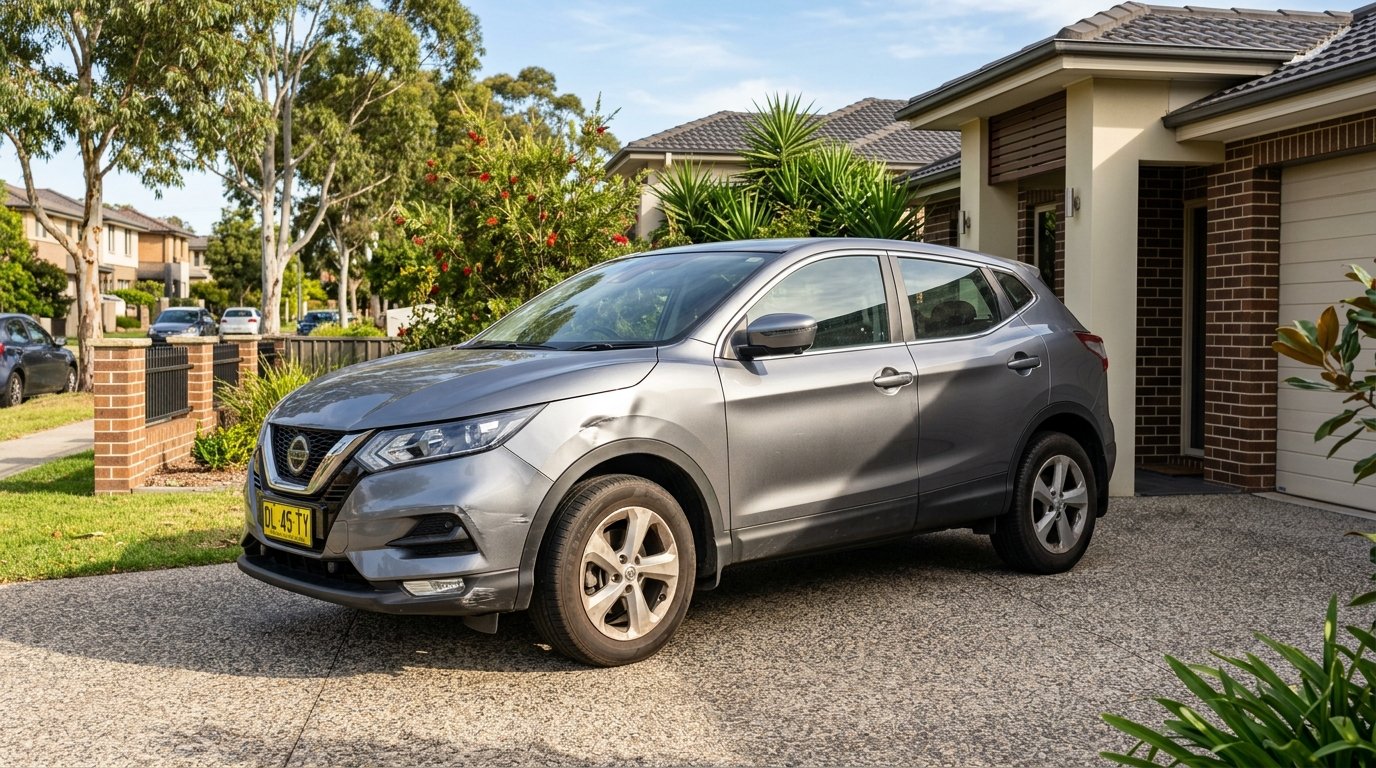
But do you actually need to repair the car before selling it? Not always. Depending on its condition, you may be able to sell the vehicle as-is and avoid spending more money on repairs that you may not recover through the sale.
The key is to understand your car’s condition, consider its potential value and choose a selling option that suits your circumstances.
Quick Answer: Can You Sell a Damaged Car Without Repairing It?
Yes, you can sell a damaged car without repairing it first. Some buyers consider vehicles in their existing condition for repairs, parts recovery, resale or recycling.
If the expected repair costs are high compared with the vehicle’s potential value, selling it as-is may be a practical alternative. The amount you may receive will depend on factors such as the car’s age, make, model, condition, type of damage and the value of usable components.
Can You Sell a Damaged Car Without Repairing It?
Yes. A damaged vehicle does not necessarily need to be restored before you can sell it. The important consideration is finding a buyer who is prepared to assess the vehicle in its current condition.
Selling as-is can make sense when the car has extensive damage, requires expensive repairs or has been sitting unused because you cannot justify the cost of getting it back on the road.
When selling a damaged car as-is makes sense
Selling without repairs may be worth considering when:
- The car has significant accident or body damage.
- Major mechanical repairs are required.
- Repair costs are high compared with the vehicle’s current value.
- The car is older and has already depreciated significantly.
- The vehicle has been sitting unused for an extended period.
- You no longer want to spend money maintaining it.
- The car is not safe or suitable to drive.
However, the decision should be based on the individual vehicle rather than simply the fact that it is damaged.
What types of damage can affect the sale?
The type and severity of damage can have a major effect on a vehicle’s potential value.
Minor dents and scratches may be relatively straightforward to address, while engine faults, transmission problems, electrical issues, water damage or major accident damage can require considerably more work.
A buyer may also consider whether the vehicle has usable components or other remaining value. Being transparent about the damage gives potential buyers a clearer understanding of what they are assessing.
Should You Repair a Damaged Car Before Selling It?
Repairing a damaged car before selling is not always the best financial decision. While repairs can improve a vehicle’s condition, the money spent on them may not necessarily be recovered when the car is sold.
Before paying for major work, compare the estimated repair costs with the vehicle’s likely value after repairs.
When repairs may not be worth the cost
Major repairs may not make financial sense when the vehicle is older, heavily damaged or requires several expensive components.
For example, if an older car needs thousands of dollars in mechanical and body repairs, there is no guarantee that its selling price will increase by the same amount once the work is completed.
Unexpected problems can also appear once repairs begin, increasing the final bill beyond the original estimate.
Compare repair costs with the car’s potential value
Before committing to repairs, consider:
- The vehicle’s current condition.
- The estimated repair cost.
- Its age and service history.
- Its potential value after repairs.
- The likelihood of additional repair costs.
- The time involved in getting the work completed.
Obtaining more than one repair estimate can give you a clearer idea of whether repairing the vehicle is worthwhile.
When minor repairs may still make sense
If the damage is minor and inexpensive to fix, a small repair may improve the vehicle’s presentation and appeal to buyers.
The important thing is to consider the cost versus the potential benefit. There is little value in spending heavily on repairs simply because you believe a damaged vehicle must be fixed before it can be sold.
How Much Is a Damaged Car Worth?
There is no standard price for a damaged car. Its potential value depends on several factors, including the vehicle’s make, model, age, condition and the type and extent of damage.
If you are trying to estimate your car’s value before deciding whether to repair or sell it, our guide How Much Will I Get for My Car can help you understand the factors that may influence its worth.
What affects the value of a damaged car?
A buyer may consider:
- Make and model
- Age of the vehicle
- Type and severity of damage
- Mechanical condition
- Condition of major components
- Vehicle history
- Registration status
- Available documentation
- Demand for usable parts
- Whether the vehicle can be safely transported
A vehicle can still have value even when repairing it is no longer economical.
How does the type and severity of damage affect value?
Not all damage has the same impact.
A car with minor cosmetic damage may retain more of its resale value than one with serious engine, transmission or structural problems. Similarly, the value of a vehicle involved in a major accident can depend on which components remain in usable condition.
An accurate assessment should therefore consider the vehicle as a whole rather than focusing on one damaged area.
Why do age, make, model and condition matter?
Two damaged cars can have very different values even when they have similar visible damage.
A newer or popular model may have greater demand for certain components. An older vehicle may have a lower overall market value, but its engine, transmission or other parts may still have value depending on their condition.
How to Prepare Your Damaged Car for Sale Without Repairs
Selling a damaged car as-is does not mean you should skip preparation. A little organisation can make the process easier and help buyers understand exactly what they are considering.
Document the vehicle’s condition
Make a note of the known damage and any mechanical or electrical issues.
If the vehicle was involved in an accident, keep relevant records such as insurance documents, repair assessments or other information you have available.
Take clear photos of the damage
Take clear photographs of the exterior, interior, damaged areas and any other issues that may affect the sale.
Good photos can help potential buyers understand the vehicle’s condition before arranging an inspection or collection.
Gather the relevant paperwork
Have your available vehicle and ownership documents organised before starting the selling process.
Depending on your circumstances, this may include registration details, proof of ownership and other relevant paperwork.
Be honest about the car’s condition
Do not hide significant damage or make the vehicle appear to be in better condition than it is.
Providing accurate information from the beginning can help avoid misunderstandings and make the assessment process more straightforward.
Where Can You Sell a Damaged Car?
You have several options when selling a damaged vehicle. The right choice depends on its condition, your expectations and how much time and effort you want to put into the sale.
Selling privately
A private sale may work if the vehicle still has reasonable resale value and you can find a buyer willing to take on the repairs.
However, heavily damaged vehicles can be more difficult to sell privately. You may also need to manage enquiries, inspections, negotiations and transportation yourself.
Trading in or selling to a dealership
Some dealerships may consider damaged vehicles, depending on their policies and the condition of the car.
However, a damaged or non-running vehicle may not meet their usual buying requirements, so it is worth checking their criteria before arranging an inspection.
Selling to a specialist damaged-car buyer
Specialist buyers may be accustomed to assessing vehicles with accident damage, mechanical problems or other issues.
If you are considering cash for damaged cars, make sure you understand how the vehicle will be assessed, what is included in the offer and how collection will be handled before agreeing to the sale.
How Does Damaged Car Removal Work?
If your vehicle is heavily damaged or cannot be safely driven, arranging its removal can be more practical than trying to transport it yourself.
A typical Damaged Car Removal process starts with providing information about the vehicle, followed by an assessment, an offer and arrangements for collection.
Get the vehicle assessed
Provide accurate details such as the make, model, age, location and type of damage.
Photos can also help provide an initial understanding of the vehicle’s condition.
Receive and review an offer
Once the vehicle has been assessed, review the offer and make sure you understand the conditions of the sale.
Ask questions about payment, vehicle collection and any documentation required before finalising the transaction.
Arrange a convenient vehicle pickup
After accepting an offer, arrange a suitable collection time.
This can be particularly helpful when the vehicle is non-running, heavily damaged or unsuitable for normal driving.
Atlantic Car Removals provides vehicle removal services for Sydney car owners looking to sell unwanted or damaged vehicles without arranging extensive repairs first.
What happens if the car cannot be driven?
Do not attempt to drive a severely damaged vehicle simply to complete the sale.
If the vehicle is unsafe or mechanically unsuitable for the road, arrange appropriate transport or removal. Confirm the collection arrangements beforehand so you know how the vehicle will be moved.
Selling a Damaged Car in Sydney: What Should You Consider?
For Sydney car owners, transportation can be one of the biggest practical considerations when selling a damaged vehicle.
If the car cannot be safely driven, you will need to consider how it will get from its current location to the buyer or collection point.
Local pickup and towing considerations
Before agreeing to a sale, confirm how the vehicle will be collected and whether towing or transport arrangements are available.
This is particularly important for cars with serious accident damage, mechanical faults or other problems that prevent normal driving.
Choosing a convenient collection option
If you are considering Car Removal Sydney, check the collection process and understand what arrangements are made for damaged or non-running vehicles.
Knowing when and where the vehicle will be collected can help you avoid unnecessary transportation problems.
What Should You Check Before Selling Your Damaged Car?
Before accepting an offer, take a few minutes to make sure you have considered the important details.
Quick checklist
- Assess the extent of the damage.
- Consider whether repairs are financially worthwhile.
- Research factors affecting the vehicle’s value.
- Take clear photographs.
- Gather the available paperwork.
- Provide accurate information about the vehicle.
- Confirm how the vehicle will be collected.
- Understand the payment arrangements.
- Review the offer before agreeing to the sale.
A little preparation can make the process clearer and reduce the chance of unexpected issues.
Common Mistakes to Avoid When Selling a Damaged Car
Selling a damaged vehicle can be straightforward, but certain mistakes can make the process more difficult.
Spending too much on repairs
Do not assume that every dollar spent on repairs will be recovered through the sale.
Compare the repair costs with the vehicle’s potential value before committing to major work.
Hiding or understating the damage
Trying to conceal significant problems can create issues when the vehicle is inspected.
Be clear about the vehicle’s condition from the beginning.
Accepting an offer without understanding the car’s value
Take the time to consider the vehicle’s age, condition, damage and potential remaining value before deciding whether an offer suits you.
Forgetting important paperwork
Missing documentation can delay the sale or collection process.
Organise the relevant vehicle and ownership documents before completing the transaction wherever possible.
Is Selling Your Damaged Car Without Repairs the Right Option?
Selling a damaged car without repairing it may be worth considering when the repair bill is high, the vehicle has extensive damage or you simply do not want to invest more money into it.
Start by assessing the vehicle and comparing the expected repair costs with its potential value. Then consider your selling options and whether the vehicle can be safely driven.
If repairs are unlikely to make financial sense, selling the car in its current condition may be a simpler alternative.
Frequently Asked Questions
Can I sell a damaged car without fixing it?
Yes. You can potentially sell a damaged car in its current condition. The options available to you will depend on the vehicle’s condition, type of damage and buyer requirements.
Is it better to repair a damaged car before selling it?
Not always. If the repair costs are high compared with the vehicle’s potential value, selling it as-is may be more practical than investing in major repairs.
Can I sell a damaged car if it cannot be driven?
Yes. A non-running or unsafe vehicle can potentially be sold, but it should be collected or transported appropriately rather than driven when it is not safe to do so.
How much can I get for a damaged car?
There is no fixed amount. The potential value depends on factors such as the vehicle’s make, model, age, condition, type of damage and the value of usable components.
Final Thoughts
You do not always need to repair a damaged car before selling it. If the vehicle requires expensive repairs or has suffered significant damage, selling it as-is may help you avoid putting more money into a car that may not justify the investment.
Assess the damage, consider the potential value, compare your selling options and make sure you understand how the vehicle will be collected if it cannot be driven.
For Sydney owners with damaged or unwanted vehicles, Atlantic Car Removals offers an option for arranging vehicle removal as part of the selling process.
Ready for a real offer?
Get a free quote for your car.
Tell us your vehicle's make, model, year and condition. Our Sydney team will explain your options with no obligation.